





Slow by Design: Sustainable British and Nordic Brands That Practise What They Preach
Harvests follow tides and seasons, not quarterly targets. You cut by hand, you leave enough behind for the plant to regrow, and you accept that some weeks the sea simply says no. Once that logic gets into your bones, you start noticing which other companies run on it too — the ones that make things slowly, explain themselves honestly, and build products designed to be kept rather than replaced.
Here are a few we genuinely rate: kindred spirits across food, clothing and craft, from Cornwall to the Nordics.
First, what "slow" actually means
The word gets used loosely enough to be worthless, so here's the working definition we apply before we recommend anyone.
Time is designed into the process. Not as inefficiency to be engineered out, but because the thing genuinely takes that long. Fermentation, tanning, weaving, regrowth — you can rush all of them and you get a worse product every time.
The supply chain is named, not gestured at. "Ethically sourced" is a mood. "Tanned in this tannery, stitched in this workshop" is a fact.
Repair is part of the design. Anything built so that a worn part can be replaced rather than the whole item binned has been designed by someone thinking in decades.
The company admits what it hasn't solved. This is the one that separates the genuine from the polished, and we'll come back to it.
In the kitchen
Single-estate and regenerative growers are doing for British food what natural wine did for the cellar: making provenance the whole point. Look for farms and producers who name their fields and publish their methods — the transparency is usually matched by the flavour.
The same goes for the new wave of British salt, cider, cheese and heritage grain producers rebuilding regional food cultures one honest label at a time. Small mills stone-grinding local wheat, cider makers pressing named orchards, dairies that will tell you the herd — this is the least glamorous and most encouraging corner of British food right now.
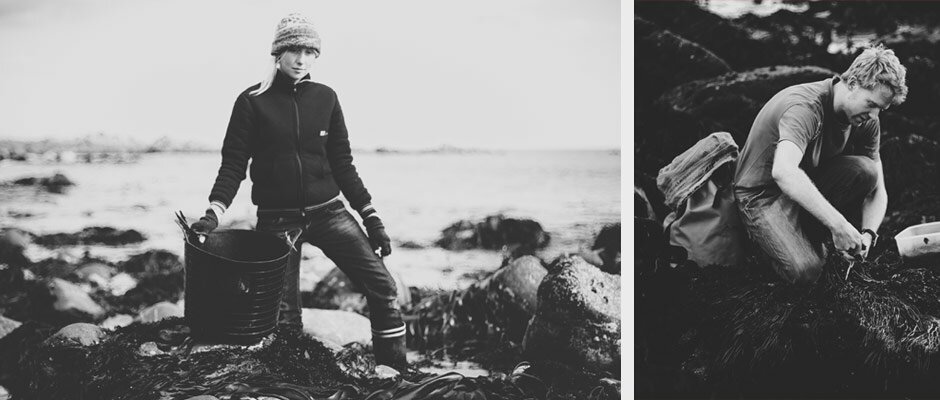
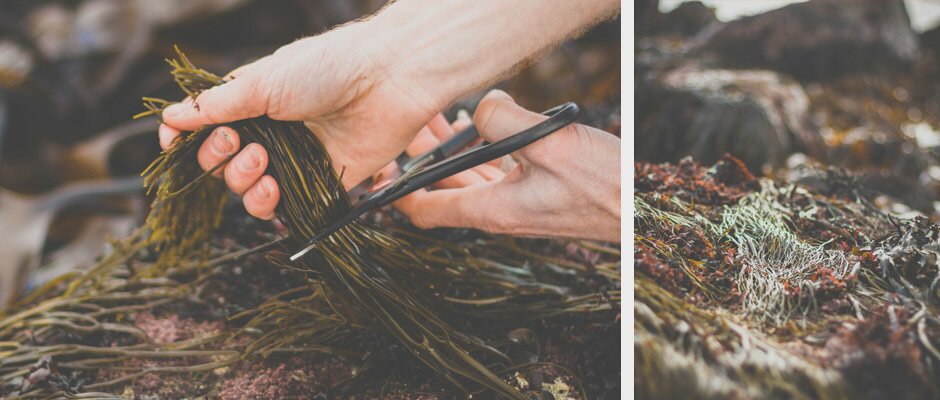
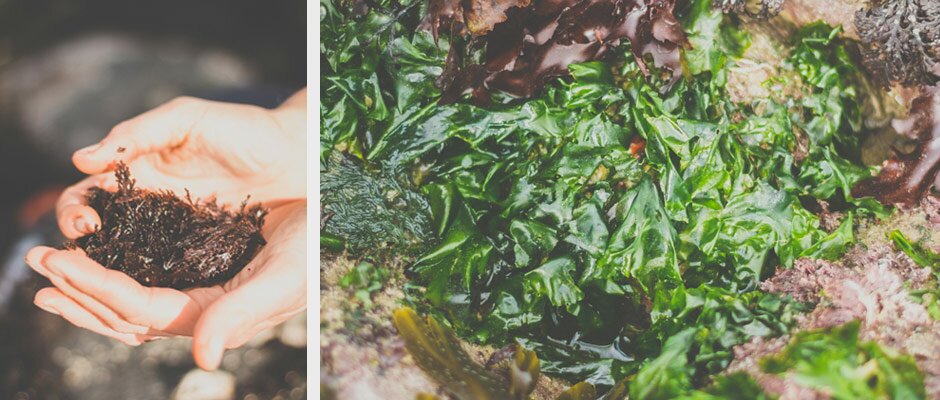
We'd add seaweed to the list, but we're biased. The ocean does the growing; we just harvest it with scissors and respect.
On your feet
Footwear is one of fashion's dirtiest corners — glued construction, coated synthetics, chrome tanning, and products designed so that a single worn component kills the whole shoe. Which makes the exceptions worth naming properly.
VIBAe — sustainable leather shoes from Helsinki earns its place on this list the unglamorous way. Vegetable-tanned, chrome-free leather instead of chrome tanning. Natural rubber outsoles tapped from trees. Production in a third-generation family factory in Portugal, where the craft has been passed down rather than outsourced. Replaceable footbeds, so a worn insole means a new insole rather than a landfill pair. A pre-loved programme giving shoes second lives. And unisex, deliberately timeless designs sized 35 to 48 — one collection meant to stay relevant for years rather than seasons.
What we like most, though, is the tone. Their own sustainability write-up says: "We're not perfect, but we're committed to being honest about where we are and where we're going." That sentence does more for our confidence in a company than any certificate. They've also published a multi-year action plan with specifics attached — product-level carbon footprinting, supply chain transparency, a first sustainability report — and they're working with Aalto University on a wood-based foam to replace the current footbed material.
That's the shape of a real programme: named partners, awkward admissions, and work that isn't finished. Slow fashion practised rather than printed on a tote bag.
In the wardrobe
The Nordic approach to clothing — buy little, buy wool, repair everything — has quietly won the sustainability argument, and the brands worth following share three habits: they publish their factories, they offer repairs, and their designs ignore trends on purpose.
British labels doing the same deserve equal shelf space. Finisterre, just up the coast from us in St Agnes, has built a cold-water surf brand around durability, repairs and ocean advocacy, and went through B Corp certification to have it independently checked. Hiut Denim in Cardigan makes jeans in a town that used to make jeans, does one thing well, and encourages owners to keep the same pair for years. Nudie Jeans will repair your denim free, for as long as you own it, which is an economic model as much as an environmental one. Patagonia's repair-and-resell programme did more to normalise mending than a decade of campaigns. And Harris Tweed remains the only fabric in the world protected by its own Act of Parliament, still handwoven at the weavers' homes in the Outer Hebrides.
The pattern to look for is always maintenance culture: brands that want to see your product again in five years, rather than sell you a new one in five months.
Around the house
From Cornish potters to Scottish blanket mills, the criteria don't change: natural materials, visible workshops, and products priced honestly for the labour in them.
If a maker will tell you who made your thing and how long it took, you're usually holding something built for decades. And if the price makes you wince slightly, do the arithmetic over ten years before you decide it's expensive — a good blanket outlives several sofas.
Five questions to ask any brand
Transparency is easy to claim and easy to test. Before buying, see how a company answers these:
- Where exactly is this made — a country, or a named factory?
- What is the material, and how was it processed? For leather, that means the tanning method. For textiles, the fibre and the mill.
- Can it be repaired, and by whom? Is there a service, or just a shrug?
- What happens at the end of its life? Take-back, resale, recycling, biodegradation — or silence?
- What does the company admit it hasn't solved yet?
Genuine brands answer all five somewhere public, usually with photographs. Greenwashed ones answer the first with a continent and the last with nothing at all.
Ten minutes of this filtering does more for a sustainable wardrobe than any certification logo on its own.
How to spot the greenwash
A few reliable tells, learned the hard way:
The "eco" sub-collection. If ten per cent of the range is sustainable, the honest headline is that ninety per cent isn't.
Recycled polyester as the whole story. Better than virgin plastic, still plastic, still shedding microfibres in every wash. It's a step, not a destination.
Offsetting doing the heavy lifting. Offsets bought at the end of a process say nothing about the process. Look for reductions first, offsets last.
Certification soup. A wall of logos with no explanation of what each covers is decoration. One certificate with a clear scope beats six with none.
Vague quantities. "Up to", "as much as", "where possible". These are the phrases lawyers add when the number won't survive scrutiny.
No named people. Companies genuinely proud of their supply chain photograph the people in it.
The honest part: nobody is clean
Including us.
We ship things in packaging. We drive to harvest sites. Seaweed is a low-impact food by almost any measure, and it still has an impact — and pretending otherwise would make us exactly the kind of company this article is trying to help you avoid.
The same goes for every brand named above. Leather is a co-product of the meat industry, and that's a real conversation, not a settled one. Wool has its own welfare questions. Even repair programmes are, commercially, a way of keeping customers. None of that invalidates the work; it just means the honest position is "better, and still improving" rather than "solved".
Which is precisely why the fifth question is the one that matters most. A company willing to tell you what it hasn't fixed is a company that has actually looked.
The awkward question: what about price?
It would be dishonest to write two thousand words about buying better without addressing the obvious objection, which is that most of what's described above costs more.
It does. Weeks of tanning cost more than days. Paying weavers properly costs more than not. Harvesting by hand costs more than dredging. That price difference isn't a premium for virtue — it's the actual cost of the thing, arriving in one place instead of being quietly shifted onto a river, a worker, or the person who has to replace the item next year.
But "buy better" as advice is useless if it only works for people with spare money, so here's the honest version:
Secondhand beats new, at every price point. The most sustainable coat in Britain is one that already exists, and charity shops are full of well-made things from an era when things were made well.
One good item beats three adequate ones, and it's easier to save towards one than to stop buying three.
Repair is nearly free and displaces far more consumption than any purchase decision.
Buying nothing is always the greenest option, and no brand on this list will ever tell you that, including the ones we like.
The point of a list like this isn't to send you shopping. It's so that when you do need to replace something, you know how to spend the money once.
Why this matters more on a coastline
We'd be lying if we said our perspective was neutral. When your business depends on the state of the water, sustainability stops being a value exercise and becomes a supply chain.
Coastal producers tend to notice things earlier — the seasons shifting, the storms getting less seasonal, what washes up after a bad week. Much of what ends up on a Cornish beach began as something designed to be thrown away: packaging, synthetic fibre, footwear glued together in a way that guaranteed a short life and no second one.
That's why we pay attention to construction rather than claims. A shoe with a replaceable footbed, a jumper that can be darned, a jar that gets refilled — these are unglamorous details, and they're the ones that decide what does and doesn't end up in the sea. The brands worth recommending are the ones who thought about the end of the product's life while they were still designing the beginning of it.
What slow buying looks like in practice
Four habits, all of which cost nothing:
Repair before replacing. Most of what gets thrown away needs a stitch, a sole or a wash at the right temperature.
Buy secondhand first, particularly for children's things and anything you'll use rarely.
Buy at the end of the season you'll wear it in, not the beginning — you'll know whether you actually needed it.
Count cost per year, not price. The £180 pair that lasts a decade is cheaper than the £40 pair bought five times, and considerably better company along the way.
What ties them together
None of these companies invented anything radical. They just declined the shortcuts — the chrome tanning, the disposable construction, the vagueness where a supply chain should be, the seasonal churn that requires you to buy the same thing again next year.
Slow production, honest materials, things designed to be kept. It works for seaweed, it works for shoes, and it works for very nearly everything in between.
Buy less. Buy from people who show their working. And when in doubt, choose the product that comes with a story you can actually verify — it's remarkable how reliably that single filter sorts the genuine from the greenwash.